2 Day Mount Sinai Hiking and Camping Tour
A 2 day Mount Sinai hiking and camping tour is designed for travelers who want more than a quick climb to the famous summit. Instead of arriving, hiking up, and leaving within a few hours, a two-day experience gives you time to explore the dramatic mountains around Saint Catherine, walk with local knowledge, enjoy quieter trails, camp in the high-mountain landscape, and experience Mount Sinai at a slower pace.
Based in Saint Catherine, South Sinai, Sinai Compass helps travelers arrange hiking, trekking, local guiding, transport, and overnight experiences throughout the region. The exact route can be adapted to current access conditions, weather, hiking ability, and whether you prefer sunrise, sunset, cultural sites, or a more remote mountain experience.
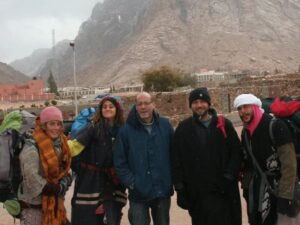
What Is a 2 Day Mount Sinai Hiking and Camping Tour?
A two-day Mount Sinai tour combines mountain trekking with an overnight stay in the Sinai highlands. Rather than focusing only on reaching the summit of Jebel Musa, the itinerary can include valleys, mountain basins, viewpoints, Bedouin areas, historic paths, and time to appreciate the landscape surrounding Saint Catherine.
Quick answer: A 2 day Mount Sinai hiking and camping tour typically involves hiking through the Saint Catherine mountain region, spending a night in a suitable mountain camping area, and including Mount Sinai as part of a broader trekking experience. The final itinerary should always be confirmed according to current trail access and local conditions.
Egypt’s official tourism information specifically highlights Saint Catherine as a base for exploring mountain trails and notes that some routes can be enjoyed as overnight camping treks. It also advises visitors to confirm that planned mountain excursions are currently open with their tour operator or licensed guide.
This makes a two-day format especially suitable for visitors who want both the famous Mount Sinai experience and an introduction to the wider landscape rather than treating the mountain as a single tourist stop.
Why Mount Sinai Is More Than a Summit Hike
Mount Sinai, locally known as Jebel Musa, rises to approximately 2,285 meters above sea level. It stands within the Saint Catherine region of South Sinai, an area where rugged granite mountains, narrow valleys, ancient religious traditions, Bedouin communities, and historic pathways exist within the same landscape.
The Saint Catherine Area has been on the UNESCO World Heritage List since 2002. UNESCO describes the region as sacred to Christianity, Islam, and Judaism and highlights the relationship between Saint Catherine’s Monastery, Mount Sinai, religious sites, and the surrounding mountainous landscape.
That context changes the nature of the hike. You are not simply climbing for elevation. You are walking through a landscape shaped by pilgrimage routes, monasteries, Bedouin traditions, gardens, mountain basins, and centuries of human movement.
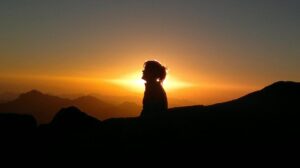
Why Choose Two Days Instead of a Standard Mount Sinai Excursion?
The main advantage is time. A standard Mount Sinai excursion often concentrates on reaching the summit for sunrise or sunset. A two-day trek creates room for quieter hiking, longer breaks, additional landscapes, and an overnight outdoor experience.
| Experience | Standard Summit Visit | 2 Day Hiking & Camping Tour |
|---|---|---|
| Main focus | Mount Sinai summit | Mount Sinai plus surrounding mountain landscape |
| Pace | Usually time-focused | More flexible |
| Camping | Normally not central | Part of the experience |
| Local landscape | Limited exposure | More valleys, viewpoints, and mountain areas |
| Best for | Visitors with limited time | Hikers and experiential travelers |
A longer itinerary can also reduce the feeling of rushing through the area. Sinai Compass itself notes that visitors can discover more of the Mount Sinai range on a one-day or overnight hike and recommends considering sunset for a quieter experience compared with the more familiar sunrise climb.
Sample 2 Day Mount Sinai Hiking and Camping Itinerary
There is no single itinerary that suits every traveler. Trail availability, season, weather, group fitness, official restrictions, and preferred camping location can all affect the route. The following is therefore a practical example rather than a guaranteed fixed schedule.
Day 1: Saint Catherine, Mountain Trails and Camp
The first day can begin in Saint Catherine with a briefing and preparation for the trek. Once equipment, water, and the route are confirmed, the hike heads into the surrounding high-mountain landscape.
Depending on the route selected, the day may involve granite valleys, natural terraces, Bedouin gardens, panoramic viewpoints, or areas connected with the wider Mount Sinai massif. The benefit of a two-day itinerary is that there is less pressure to rush directly toward the main summit.
Later in the day, the group reaches an appropriate overnight location selected according to the route and current conditions. Evening in the mountains is often one of the most memorable parts of the trip: walking stops, the surrounding landscape becomes quiet, temperatures fall, and the mountain environment feels very different from Egypt’s coastal resorts or major cities.
Dinner arrangements, sleeping equipment, camping style, drinking water, and luggage support should all be confirmed when booking rather than assumed to be included automatically.
Day 2: Mount Sinai and Return to Saint Catherine
The second day can focus on Mount Sinai itself or continue through surrounding trails before approaching Jebel Musa. Depending on the itinerary, the summit may be planned around sunrise, daylight, or sunset.
Egypt’s official tourism portal describes the classic pre-dawn Mount Sinai ascent as approximately three to four hours and places the summit at 2,285 meters. Individual hiking times naturally vary according to route, fitness, breaks, weather, and trail traffic.
After enjoying the summit and surrounding views, hikers descend toward the Saint Catherine area. A monastery visit may sometimes be coordinated with the itinerary, but opening arrangements and access conditions should always be checked for the specific travel date rather than assumed.
Camping in the Sinai Mountains
Camping is what transforms this trip from a conventional excursion into a genuine mountain experience. The Saint Catherine region is suitable for multi-hour and multi-day walking routes, and official Egyptian tourism information explicitly mentions overnight camping as an option on longer mountain treks.
However, mountain camping should not be approached like pitching a tent at an unrestricted public campsite. Routes, access, suitable overnight areas, water requirements, weather, local regulations, and environmental considerations matter.
A locally coordinated trek helps answer practical questions such as where an overnight stop is appropriate, how much water is needed, which trails are accessible, and how the itinerary should change if conditions are different from expected.
What Is a Night in the Mountains Like?
Expect simplicity rather than hotel-style comfort. The purpose is to spend the night surrounded by the Sinai landscape, away from city noise and resort activity.
Temperatures in the Saint Catherine highlands can be considerably cooler than travelers expect from Egypt, particularly after sunset and during winter. Warm clothing and appropriate sleeping equipment are therefore essential even if daytime temperatures feel comfortable.
How Difficult Is a Two-Day Mount Sinai Trek?
A two day Mount Sinai trek requires reasonable walking fitness, but the difficulty depends heavily on the chosen route. A relaxed itinerary on established trails is very different from a demanding route involving steep ascents, exposed terrain, or additional peaks.
The most useful question is not simply, “Is Mount Sinai difficult?” but rather, “Which two-day route is appropriate for my fitness and experience?”
Before confirming the tour, tell the organizer about:
- Your recent hiking experience.
- How many hours you are comfortable walking in one day.
- Any knee, ankle, or mobility limitations relevant to hiking.
- Whether you regularly exercise.
- Whether you prefer a relaxed scenic trek or a physically demanding route.
- Whether children or older travelers are joining the group.
Some routes around the wider Mount Sinai massif can be demanding and exposed. Sinai Compass, for example, describes Ras Safsafa as suitable for experienced hikers with a knowledgeable guide rather than treating every nearby peak as a casual walk.
What to Pack for a Mount Sinai Camping Tour
Packing correctly matters because conditions can change significantly between daytime hiking and an overnight stop at elevation.
- Hiking shoes: Wear comfortable footwear with reliable grip rather than new shoes being tested for the first time.
- Warm layers: Pack layers that can be added after sunset and removed while climbing.
- Sun protection: Bring sunscreen, sunglasses, and a hat for exposed daytime sections.
- Headlamp: Essential if any walking takes place before sunrise or after sunset.
- Water: Confirm how drinking water will be carried and supplied throughout the route.
- Personal medication: Bring anything you normally require and keep it accessible.
- Small backpack: A comfortable daypack is easier to manage on uneven terrain.
- Power bank: Electricity should not be expected during a mountain camping night.
- Personal hygiene items: Keep them minimal and suitable for low-impact outdoor travel.
- Identification: Carry the identification and travel documents advised for your journey in South Sinai.
Before departure, ask specifically which sleeping and camping items are provided and which must be brought personally.
Sunrise or Sunset on Mount Sinai?
Both can be memorable, but they create very different experiences.
Mount Sinai Sunrise
Sunrise is the classic choice. It normally requires hiking in darkness before dawn, so warm layers and a headlamp become particularly important. The reward is seeing the surrounding mountain ranges gradually appear as daylight spreads across South Sinai.
Mount Sinai Sunset
Sunset allows much of the ascent to take place in daylight. It can also provide a quieter atmosphere depending on the day and season. Sinai Compass specifically recommends sunset for visitors seeking greater peace and quiet.
With a two-day itinerary, you have greater flexibility to build one of these moments into a larger trek rather than planning the entire journey around a single summit event.
Local Bedouin Knowledge Matters in Saint Catherine
The mountains around Saint Catherine are a living cultural landscape rather than an empty wilderness. Local Bedouin communities have long-standing connections with the trails, valleys, gardens, water sources, and movement through the high mountains.
For visitors, local knowledge is useful not simply for navigation but also for understanding how different areas connect, where breaks are practical, what routes fit a particular group, and how current access conditions affect the plan. see also.
Sinai Compass is based in Saint Catherine and describes itself as a local Bedouin-owned business working with guides, drivers, cameleers, camps, trekking routes, and accommodation throughout South Sinai.
Why a Mount Sinai Camping Tour Is Special in Egypt
Egypt is usually associated internationally with the Pyramids of Giza, the temples of Luxor, Nile cruises, Red Sea diving, and desert landscapes. Saint Catherine offers something distinctly different: a high-altitude mountain environment where outdoor adventure, spiritual history, and Bedouin culture overlap.
The town sits deep within the Sinai mountains, and Egypt’s official tourism platform identifies it as a base for exploring surrounding trails, valleys, Mount Sinai, and Mount Catherine.
For travelers building a wider Egypt itinerary, a two-day mountain trek can create contrast between archaeological sightseeing and active outdoor travel. It also works naturally as an extension of a stay in Dahab, Sharm el-Sheikh, Saint Catherine, or a longer South Sinai journey.
Who Is This Tour Best For?
A two-day hiking and camping experience is particularly suitable for travelers who value the journey as much as the summit.
- Outdoor travelers who want more than a short sightseeing excursion.
- Couples looking for a quieter nature-focused experience.
- Solo travelers who prefer organized local hiking support.
- Small groups interested in trekking and camping.
- Photographers seeking different mountain light throughout the day.
- Travelers interested in Bedouin culture and South Sinai landscapes.
- Visitors combining Egypt’s historical attractions with outdoor adventure.
- Repeat visitors who have already experienced Egypt’s better-known destinations.
Why Arrange Your Mount Sinai Trek With Sinai Compass?
For a two-day trip, logistics matter almost as much as the walking. Transport, trail selection, guide coordination, camping arrangements, current access conditions, group fitness, and the return journey all need to work together.
Sinai Compass is based in Saint Catherine and focuses specifically on travel throughout Sinai. Its published services include hiking and trekking, Mount Sinai experiences, walking and camel safaris, transport, camping-related trips, local accommodation, mountain gardens, and excursions in the wider South Sinai region.
This local focus is useful when planning an itinerary that goes beyond the standard summit route. Instead of forcing every traveler into the same schedule, the practical goal is to establish what type of hike suits the group and then confirm what is possible for the requested date.
When contacting Sinai Compass, provide your travel date, group size, starting location, hiking experience, preferred sunrise or sunset plan, and whether you need transport before or after the trek. This allows the itinerary and quotation to be based on your actual requirements.
Important Questions to Ask Before Booking
A clear booking confirmation prevents misunderstandings once you arrive in the mountains. Ask for written clarification of the main logistics.
- What exact route is planned for the two days?
- Where is the overnight camping area?
- How many hours of hiking are expected each day?
- What camping and sleeping equipment is provided?
- Which meals and drinks are included?
- How will drinking water be managed?
- Will luggage be carried throughout the trek?
- Is transport to and from Saint Catherine included?
- What happens if weather or access restrictions require a route change?
- What personal equipment should each participant bring?
Common Mistakes to Avoid
Assuming Sinai Is Always Warm
Coastal weather can create misleading expectations. Saint Catherine is mountainous and much higher than Egypt’s Red Sea resorts, so nighttime and winter conditions may feel surprisingly cold.
Choosing a Route Based Only on Photos
A dramatic viewpoint may require more difficult terrain than expected. Select a route according to your fitness and experience rather than social-media images.
Using Old Trail Information
Access can change. Official Egyptian tourism guidance recommends confirming with tour operators or licensed guides that mountain excursions are open for visitors.
Underestimating Water Requirements
Do not assume that water will always be available naturally along a mountain route. Confirm supplies before departure.
Booking Transport Separately Without Coordinating Timing
If you are coming from Dahab, Sharm el-Sheikh, Taba, or another destination, transport needs to match the hiking schedule. A poorly coordinated transfer can affect the entire itinerary.
Assuming Every Item Is Included
Guiding, food, camping gear, transfers, luggage support, entrance arrangements, and additional activities should be confirmed individually. Never rely on assumptions when planning an overnight mountain trip.
How to Plan Your 2 Day Mount Sinai Tour
The easiest way to organize the trip is to start with your date and hiking ability, then build the logistics around them.
- Choose your preferred travel dates.
- Decide whether sunrise, sunset, or general trekking is your priority.
- Share your group size and hiking experience.
- Confirm your starting point in Egypt or South Sinai.
- Ask which two-day routes are currently accessible.
- Review expected walking time and difficulty.
- Confirm the campsite and sleeping arrangements.
- Check meals, water, luggage support, and equipment.
- Arrange transportation if required.
- Reconfirm weather and access conditions shortly before the hike.
This approach keeps the itinerary realistic and avoids choosing a route that looks attractive online but does not fit your actual travel dates or physical ability.
Final Thoughts
A 2 day Mount Sinai hiking and camping tour offers a deeper way to experience one of Egypt’s most distinctive mountain regions. Mount Sinai is the headline attraction, but the real value of spending two days in Saint Catherine lies in having enough time to see the surrounding landscape, walk beyond the busiest sections, experience the mountains after dark, and understand how history, local culture, and geography come together in South Sinai.
The ideal itinerary is not necessarily the longest or most difficult. It is the one that matches your fitness, interests, travel dates, and preferred pace while respecting current trail access and local conditions.
If you are planning an overnight Mount Sinai trek, contact Sinai Compass with your dates, group size, starting location, and hiking preferences. The team can help you explore suitable routes and coordinate the practical details needed to turn a simple Mount Sinai visit into a genuine two-day mountain experience.
Frequently Asked Questions About a 2 Day Mount Sinai Hiking and Camping Tour
1. Can you camp near Mount Sinai?
Yes. Longer hiking routes in the Saint Catherine mountain region can include overnight camping, although the exact campsite and route should be confirmed locally for your travel date.
2. How high is Mount Sinai?
Mount Sinai, or Jebel Musa, reaches approximately 2,285 meters above sea level.
3. How long does it take to climb Mount Sinai?
Egypt’s official tourism portal describes the classic pre-dawn ascent as roughly three to four hours. Actual time depends on route, fitness, breaks, and conditions.
4. Is a two-day Mount Sinai trek difficult?
Difficulty varies by route. A moderate itinerary can suit reasonably active travelers, while additional peaks or exposed terrain require greater experience.
5. What should I wear for overnight camping?
Use layered clothing, supportive hiking shoes, sun protection during the day, and warm clothing for the evening and early morning.
6. Is sunrise or sunset better on Mount Sinai?
Sunrise is the classic experience, while sunset can offer a quieter atmosphere. Your choice should depend on preferred hiking time and the wider itinerary.
7. Can I visit Saint Catherine’s Monastery during the tour?
It may be possible to coordinate a visit, but current opening and access arrangements should be checked for your specific travel date.
8. Do I need to bring camping equipment?
Ask your organizer exactly what is provided. Sleeping equipment, tents, blankets, meals, and luggage support should never be assumed without confirmation.
9. Can Sinai Compass arrange transport to Saint Catherine?
Yes. Sinai Compass states that it arranges transport across Sinai, including connections involving Sharm el-Sheikh, Taba, Cairo, and other South Sinai locations.
10. How do I book a two-day Mount Sinai hiking tour?
Send Sinai Compass your dates, group size, starting location, hiking experience, and preferred itinerary. Ask for confirmation of the route, inclusions, equipment, transport, and current access conditions before booking.